
Soil Preparation
How to build healthy, fertile organic soil — composting techniques, soil testing, and raised bed construction for year-round productivity.

Organic Gardening & Vegetable Growing
Practical guides on growing vegetables, herbs, and fruits without chemicals — from soil preparation to seasonal planting in the Polish climate.
What you'll find
From the ground up — soil science, natural pest management, and planting calendars tailored to Polish growing conditions.
How to build healthy, fertile organic soil — composting techniques, soil testing, and raised bed construction for year-round productivity.
Chemical-free strategies for managing garden pests — companion planting, biological controls, and physical barriers that actually work.

Month-by-month planting guides for the Polish climate — what to sow, when to transplant, and how to extend your growing season.

Choosing the right vegetable varieties for organic growing in Poland — heritage cultivars, disease resistance, and flavour profiles.
Grow culinary herbs alongside vegetables — basil, dill, coriander, and more. How companion planting improves yield and deters pests.
Efficient watering techniques for organic gardens — drip irrigation, mulching materials, and water conservation in dry Polish summers.
Articles
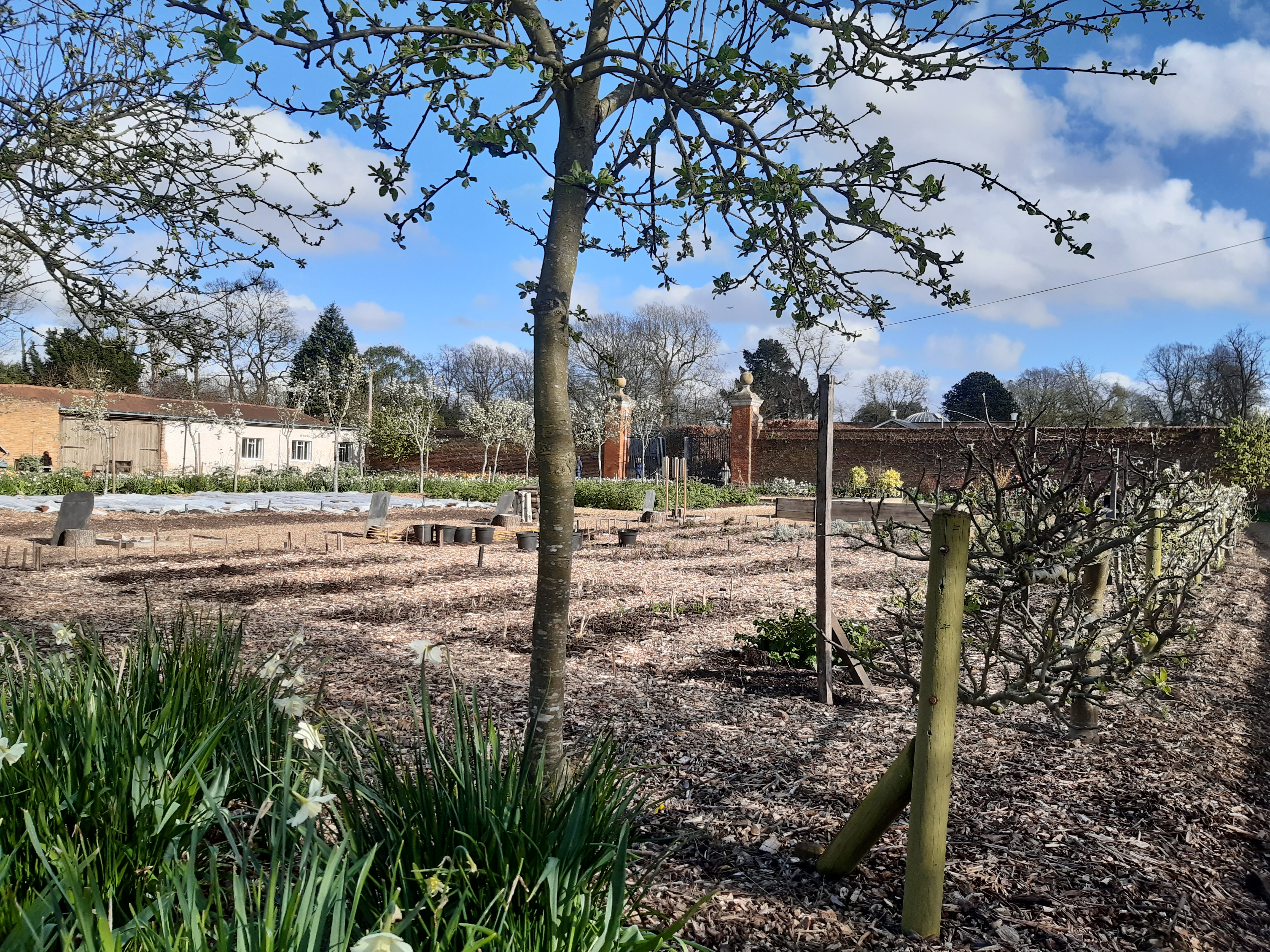
Building the foundation for a productive organic garden — composting, green manures, raised beds, and soil amendment techniques suited to Polish conditions.

Effective organic strategies for protecting vegetables from aphids, slugs, caterpillars, and other common garden pests — without a single synthetic pesticide.

A complete month-by-month calendar for organic vegetable gardening in Poland — from early spring sowings under cover to autumn harvests and winter preparation.
Quick Tips
Ninety percent of plant problems are soil problems. Invest time in composting and soil biology before planting anything.
Plant dill, fennel, and marigolds near vegetables to attract ladybirds and hoverflies — nature's own pest management team.
In Poland, the last spring frost typically falls in late April in the south and mid-May in the north. Check local records before transplanting tender crops.
Move plant families around your beds each season to break pest and disease cycles and prevent soil nutrient depletion.
Organic Gardening
Start with our guide to building the perfect organic vegetable bed — no chemicals, no guesswork.
Read the Soil Guide